Every time you buy from an independent maker instead of a large retailer, something real happens. A small business stays viable, a craft skill stays practised, and a more interesting object ends up in the world. That's not a marketing line. It's a description of a genuine economic and cultural dynamic that plays out differently depending on where you choose to spend your money. Here's why it matters, and some practical ways to do it well.
What independent makers actually are
The term independent maker covers a wide range of people and businesses. At one end, it includes sole traders working from a spare room or a small workshop, producing limited quantities of handmade objects and selling directly to customers. At the other end, it includes small businesses with a handful of employees, proper premises, and an established product range, but still independently owned and making decisions based on what they believe is right rather than what investors require.
What all of them share is that there's a real person, or a small group of real people, behind every product. Someone who designed it, who makes it or oversees its making, who reads the reviews, and who cares whether the person who receives it is pleased. That human accountability is genuinely different from buying from a large retailer, and it shows up in the quality and care of what's produced.
Why independent makers struggle
Independent makers face structural disadvantages that large retailers don't. They can't buy materials at the volumes that produce the cheapest prices. They can't spread fixed costs across thousands of product lines. They can't afford the marketing budgets that keep large brands visible. And they're competing for attention on platforms, Amazon, Etsy, Google Shopping, that are increasingly designed to favour whoever spends the most on advertising rather than whoever makes the best thing.
The result is that genuinely good independent makers are consistently harder to find than their mass-produced competitors, not because their products are inferior but because the systems we use to discover products are weighted against them. Finding and buying from an independent maker is, in a small but real way, an act of resistance against that weighting.
The quality case
Beyond the ethical argument, there's a straightforward quality case for buying from independent makers. People who make things themselves, or who oversee the making closely, tend to care about quality in a way that large-scale production doesn't reward. They're not optimising for a price point. They're optimising for a product they're proud of, because their name and their business reputation depend on it.
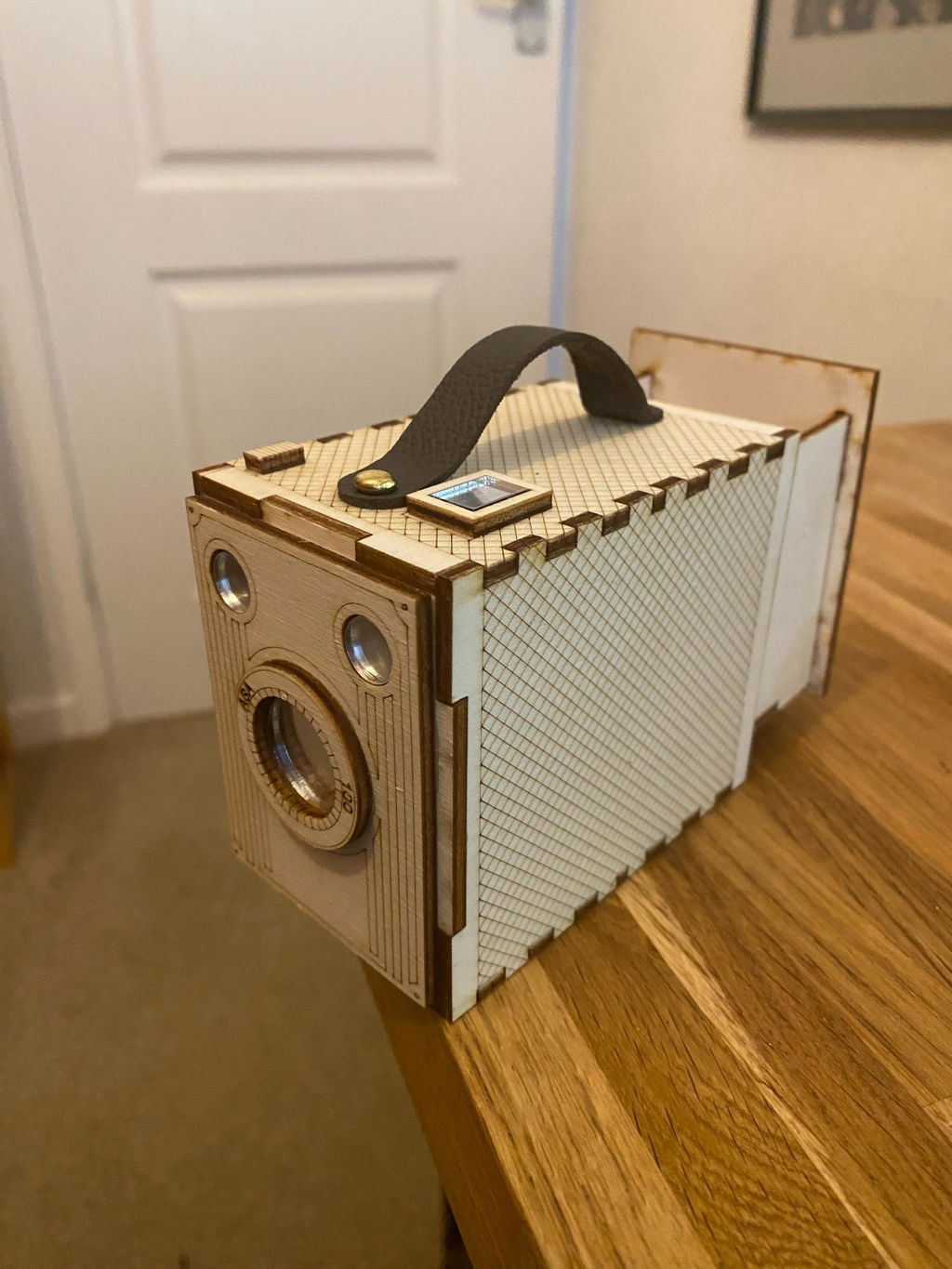
This shows up in small ways that accumulate. The edges that are properly finished rather than left rough. The fit that's precise rather than approximate. The material that's chosen for quality rather than cost. The packaging that protects rather than just covering. None of these things are dramatic on their own, but together they produce an object that feels different in the hand from something made to a spreadsheet.
How to find independent UK makers
The main challenge with supporting independent makers is finding them in the first place. Here are the most reliable routes.
Etsy remains the largest marketplace for independent makers in the UK, despite its growth into a platform that also hosts commercial resellers. Filtering by "made in UK" and reading seller profiles carefully, looking for makers who describe their own production process rather than just listing products, is the best way to find genuinely independent sellers within it.
Craft fairs and markets are the most direct route to independent makers, and the one that best reflects the actual breadth of what's being made in the UK. County shows, independent market events, and dedicated craft fairs bring together makers who often don't have the time or inclination to maintain a strong online presence. Buying directly at a craft fair also means the maker receives the full price rather than a platform taking a percentage.
Not on the High Street and Folksy are curated marketplaces specifically designed for independent UK makers and are generally more reliably independent than Etsy. Both are worth exploring for gift buying specifically.
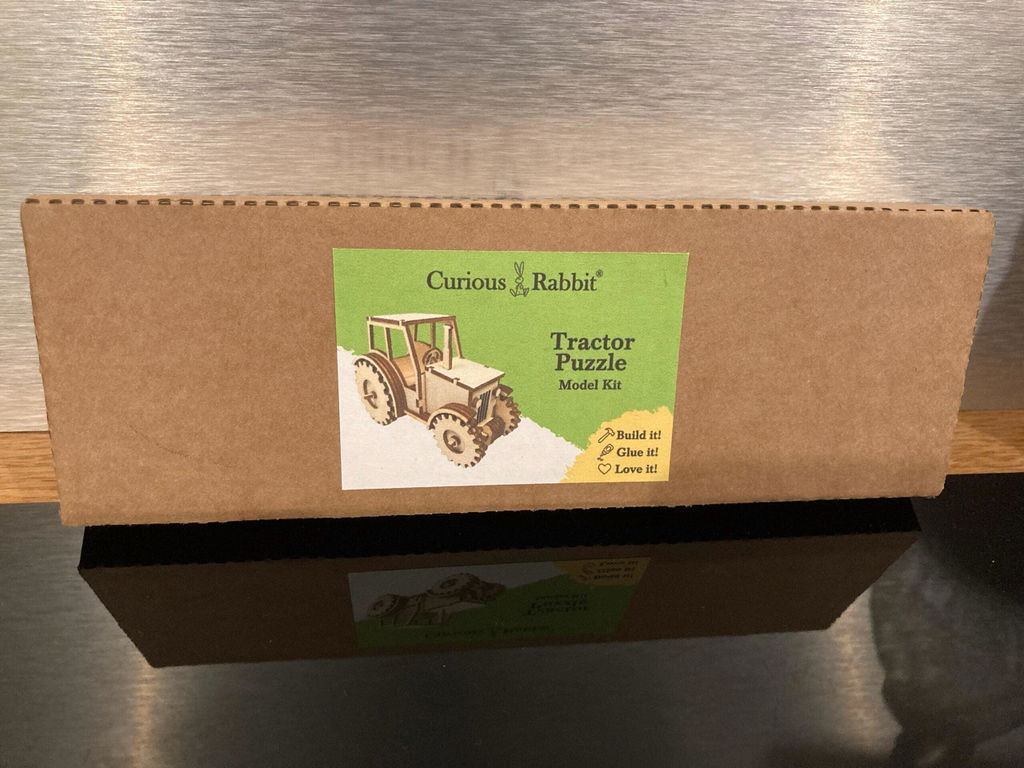
Buying direct from makers' own websites is usually the best option when you know what you're looking for. The maker receives a higher proportion of the sale price, you often get better customer service, and you're more likely to find the full range and all available personalisation options. Curious Rabbit sells its full range directly at curiousrabbit.com with UK delivery, and buying direct is always preferable to buying through a third-party platform if the option exists.
Beyond buying: other ways to support independent makers
Buying is the most direct form of support, but it's not the only one. A few other things that make a genuine difference.
Leaving a review after a purchase is disproportionately valuable to small businesses. Review counts and ratings are significant ranking factors on Google, Etsy, and other platforms, and a single honest review from a real customer carries more weight for an independent maker than it does for a large brand. If you've bought something from an independent maker and been pleased with it, a review takes two minutes and matters more than most people realise.
Recommending a maker to other people, whether in conversation, in a social media post, or by sharing a link, generates exactly the kind of organic word-of-mouth that independent makers depend on. Paid advertising is expensive and often ineffective for small businesses. A genuine recommendation from someone who has bought and been pleased is worth considerably more.
Following independent makers on social media and engaging with their content, even just liking a post, contributes to algorithmic visibility in a way that costs nothing but time. For makers who don't have a marketing budget, organic social reach is one of the few tools available, and audience engagement is what drives it.
The broader picture
The decline of independent making in the UK over the past several decades is well documented. Manufacturing has moved overseas, high streets have hollowed out, and the skills required to make things well have become less common and less valued. That decline isn't inevitable or irreversible, but reversing it requires people to actively choose independently made products when they have the option, and to be willing to pay a price that reflects the true cost of making something well.
This isn't about nostalgia or sentimentality. It's about what kind of economy and what kind of material culture we want to live in. A world with more independent makers in it is a world with more interesting objects, more diverse skills, more human accountability in production, and more of the economic value of making staying in the communities where the making happens.
That seems worth supporting.
Curious Rabbit is an independent Welsh brand making laser-cut wooden gifts and model kits in Abergavenny since 2019.