Most plastic gifts look their best on the day they're unwrapped. Most wooden gifts look better after a few years of use than they did when they arrived. That difference isn't cosmetic. It reflects something real about the material, about how it ages, how it responds to handling, and why it tends to stick around in ways that plastic objects generally don't. Here's what's actually going on.
What happens to plastic over time
Plastic is a remarkably stable material in one sense and deeply unstable in another. It doesn't rot, rust, or decompose in any meaningful timeframe. But it does degrade in appearance. Plastic yellows, becomes brittle, develops a surface sheen that looks increasingly cheap as time passes. The particular quality of freshness that a new plastic object has, the sheen and the colour saturation, is exactly what it loses as it ages. Plastic objects tend to look progressively more dated rather than more characterful.
This is partly a function of the material itself and partly a function of how plastic objects are typically designed. Most plastic products are designed to look good in a product photograph and on a retail shelf. They're designed for the moment of purchase, not the years of ownership that follow it.
What happens to wood over time
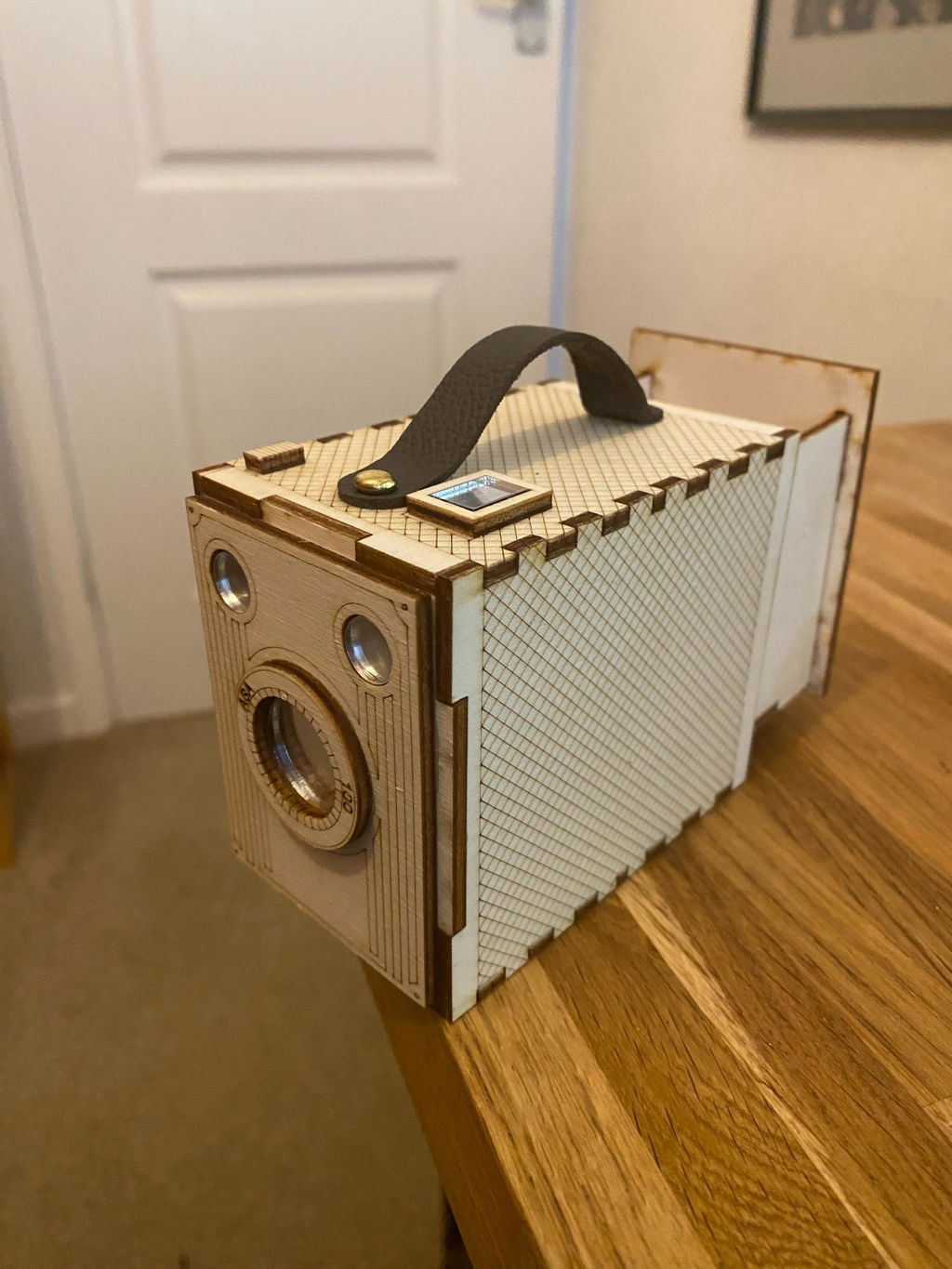
Wood ages differently. The natural grain of wood, which might be barely visible in a new piece, deepens and becomes more expressive as the wood is handled and exposed to light. Surfaces that are used regularly develop a warmth of colour and a slight polish that comes from contact with human hands. Pieces that are kept on a windowsill absorb light in a way that changes subtly over months and years.
This process, patination, is one of the qualities that makes antique wooden objects so appealing. A piece of Victorian furniture carries visible evidence of its history in the depth of its colour and the worn quality of its surfaces. A good wooden object bought today will develop similar qualities over decades of ownership, becoming more individual and more beautiful rather than more dated.
The sustainability argument
Beyond aesthetics, wood has a straightforward environmental advantage over plastic. Sustainably sourced wood is a renewable material. Its carbon footprint is lower than plastic at the production stage, and unlike plastic it does biodegrade at end of life. A wooden gift that's kept and used for twenty years rather than discarded within a few months has a significantly smaller environmental impact than a plastic equivalent used briefly and thrown away.
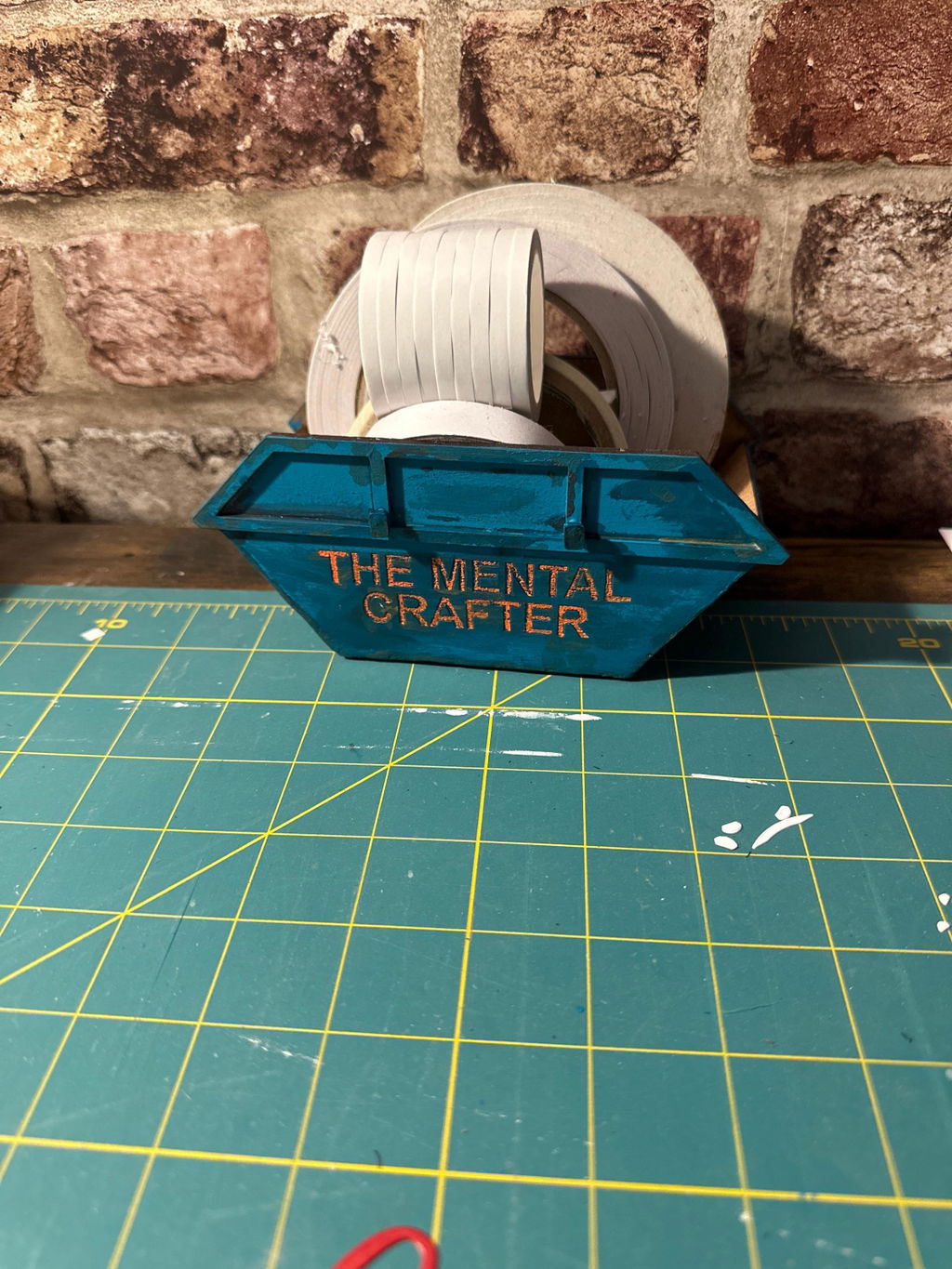
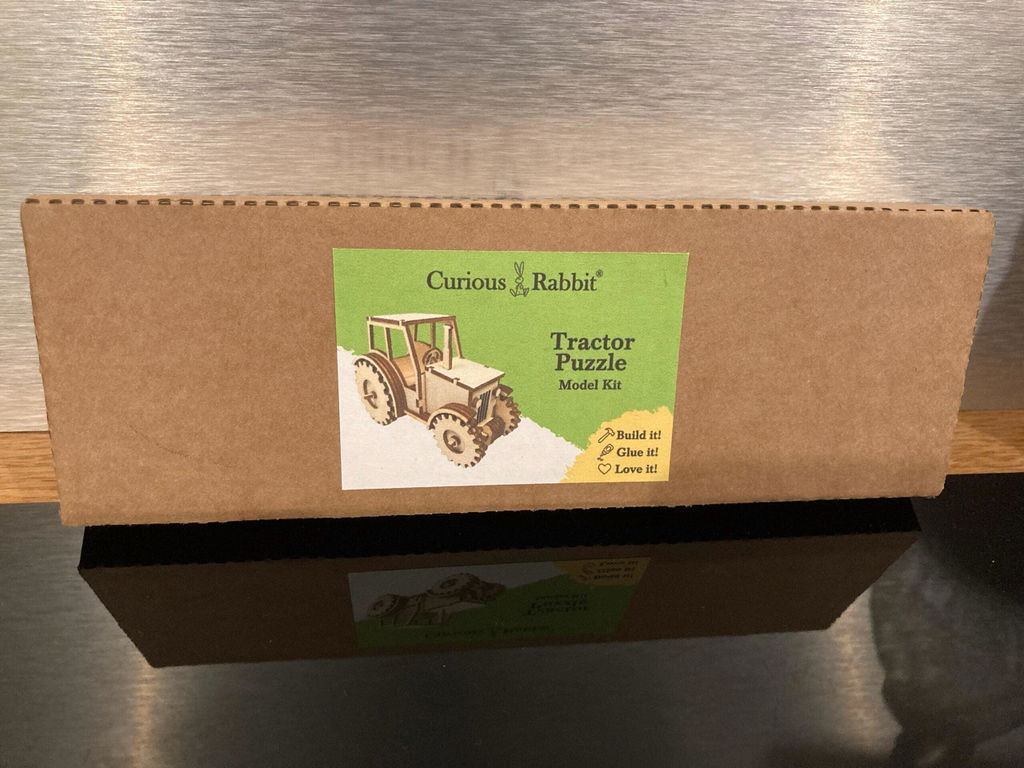
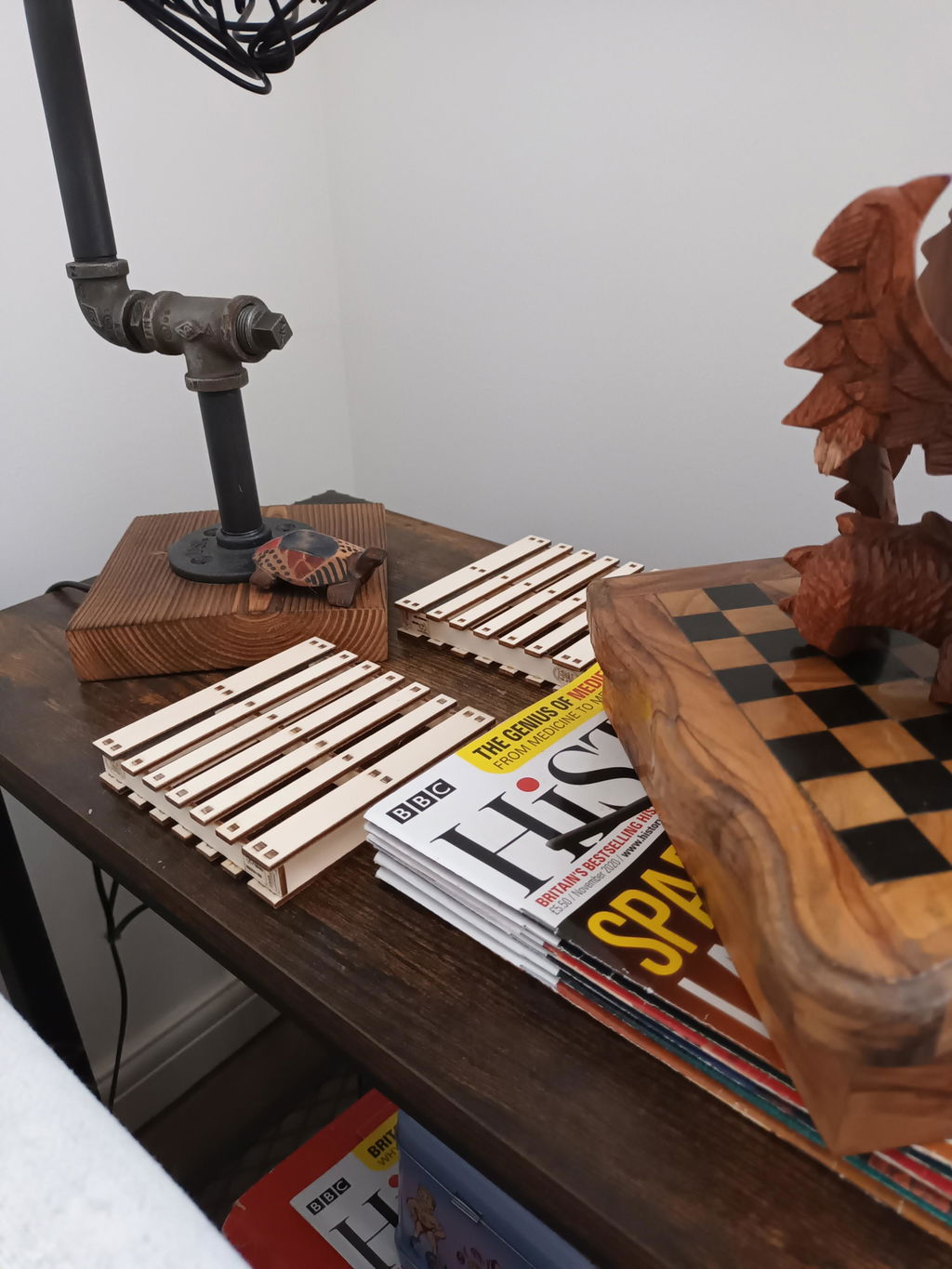
All Curious Rabbit products are made from sustainably sourced wood, laser-cut in Wales. The garden shed kit, the skip waste container, the pallet coasters, the dog treat box, all are objects designed to be used rather than just displayed. Browse the full range at curiousrabbit.com.
The repairability factor
Wood is repairable in ways that plastic generally isn't. A scratch on a wooden surface can be sanded back, re-oiled, or waxed. A cracked joint can be reglued. A worn finish can be refreshed. The object can be brought back to a condition close to the original without specialist knowledge or equipment. Most plastic objects, once damaged, are simply damaged.
This repairability is one of the reasons that well-made wooden objects tend to persist across generations. A good wooden piece can be maintained indefinitely with basic care, and the maintenance itself is a form of relationship with the object that plastic doesn't permit.
The weight of the thing
There is a quality in wooden objects that's hard to describe precisely but easy to feel. It has to do with weight, warmth, and the particular resistance that wood offers when you pick it up or run a hand across it. Wood doesn't feel inert the way plastic does. It feels like something that was once alive and retains something of that quality.
This is partly sensory and partly psychological, but it's real. Wooden objects feel more substantial, more trustworthy, more worth keeping than equivalent plastic objects, and that feeling influences how people treat them. Objects that feel worth keeping get kept. Objects that feel disposable get disposed of.
The practical summary
A wooden gift will look better in five years than it does today. A plastic gift will likely look worse. A wooden gift is repairable, biodegradable, and made from a renewable material. A plastic gift is none of these things. A wooden gift will be kept because it earns its place. A plastic gift tends to be kept until a reason to get rid of it presents itself.
None of this means all wooden gifts are good and all plastic gifts are bad. But it does mean that for the kind of gift you want someone to keep, use, and be glad of over years rather than weeks, wood tends to be the better choice.
Curious Rabbit makes laser-cut wooden gifts and model kits, designed and made in Wales.