Walk into any large garden centre or gift shop and you'll find wooden decorative pieces that look broadly similar to the ones Curious Rabbit makes, at half the price. It's a fair observation and it deserves an honest answer. Here's what the difference actually is, where it shows up, and why it tends to matter more than the price tag suggests.
What mass-produced wooden gifts actually are
Most wooden decorative gifts sold through large retailers, garden centres, and online marketplaces are manufactured at scale, typically in factories overseas, using CNC routing or basic cutting machinery. They're designed to a price point, which means materials are chosen for cost rather than quality, tolerances are loose rather than precise, and the finishing is done quickly rather than carefully.
This doesn't mean they're worthless. For a cheap decorative piece that's going to sit on a shelf and look acceptable, mass production does the job. But it does mean there are predictable trade-offs, and those trade-offs tend to show up in the hands before they show up to the eye.
What laser cutting actually does differently
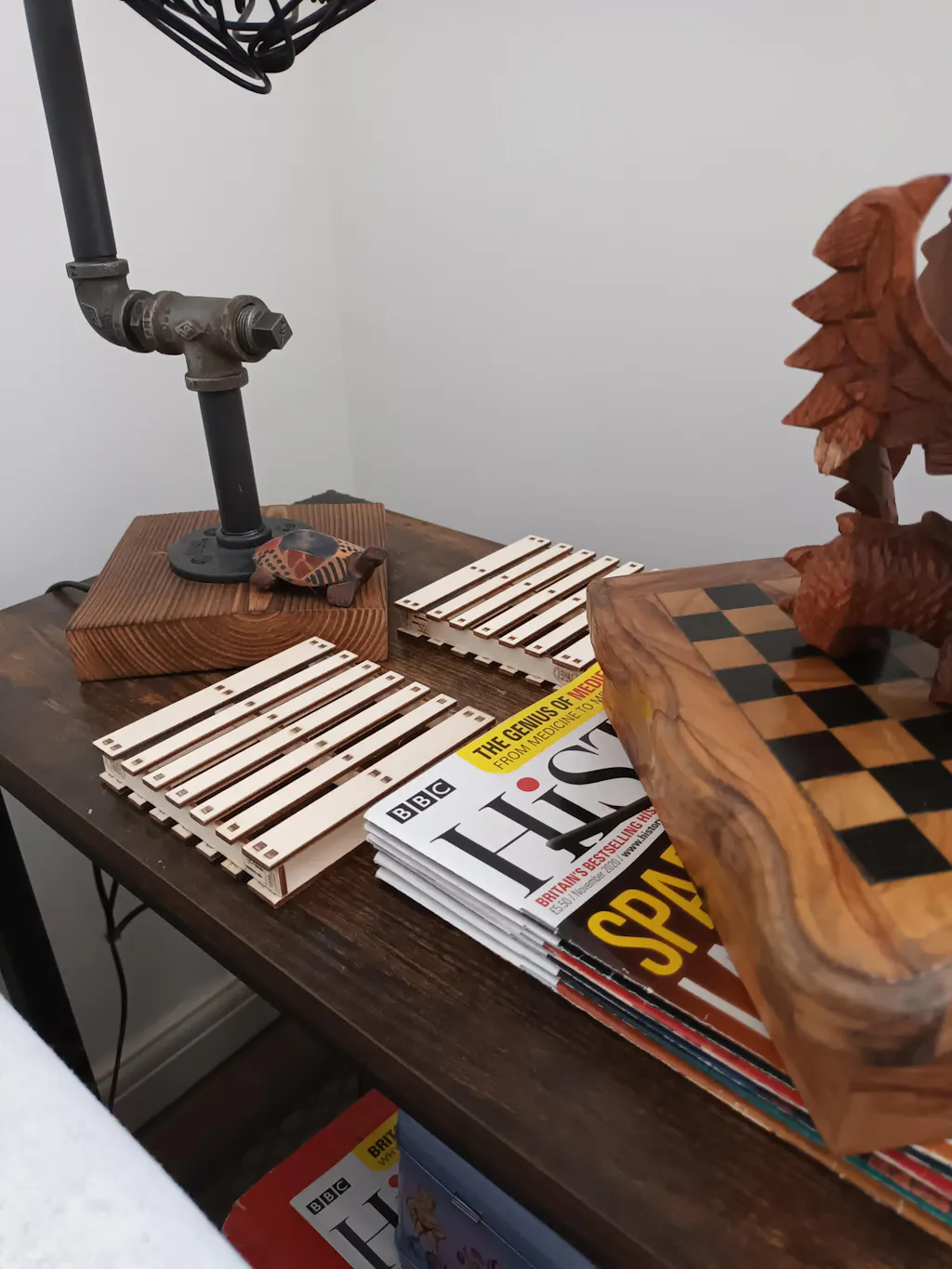
Laser cutting uses a focused beam of light to cut shapes into wood with a precision that mechanical cutting can't match. The cuts are clean rather than rough, the edges don't need sanding, and the tolerances are tight enough that pieces fit together exactly as designed rather than approximately.
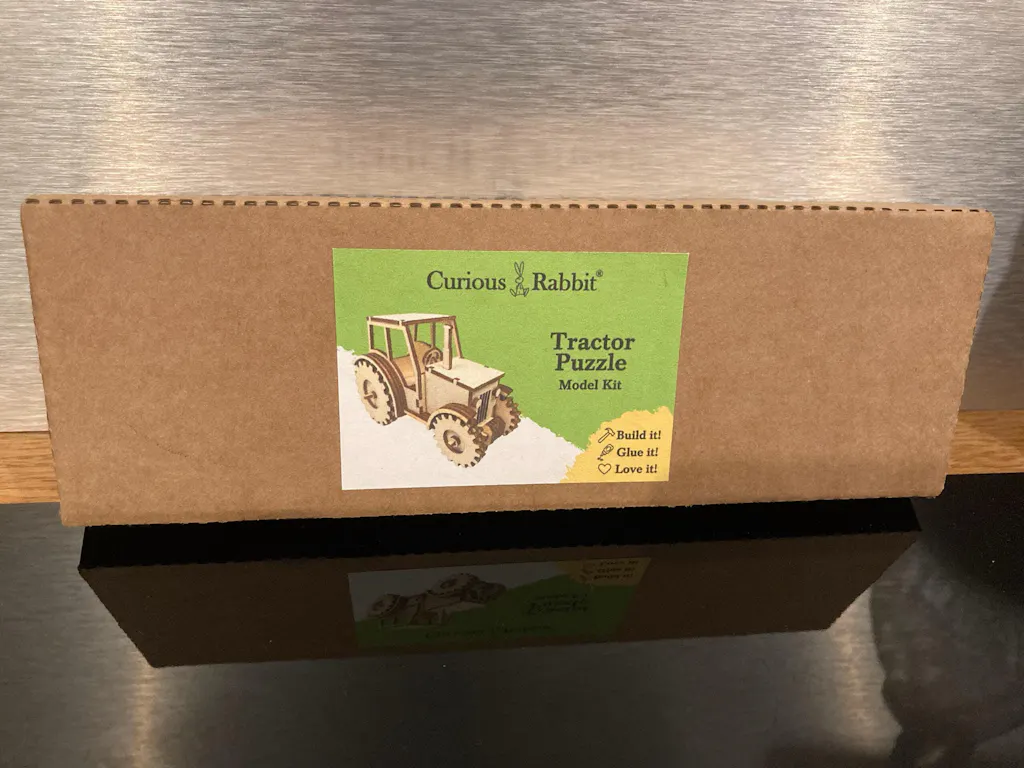
For flatpack model kits specifically, that precision is the difference between a kit that fits together satisfyingly and one that requires forcing, filing, or abandoning. The pieces either fit or they don't, and laser cutting is what makes them fit.
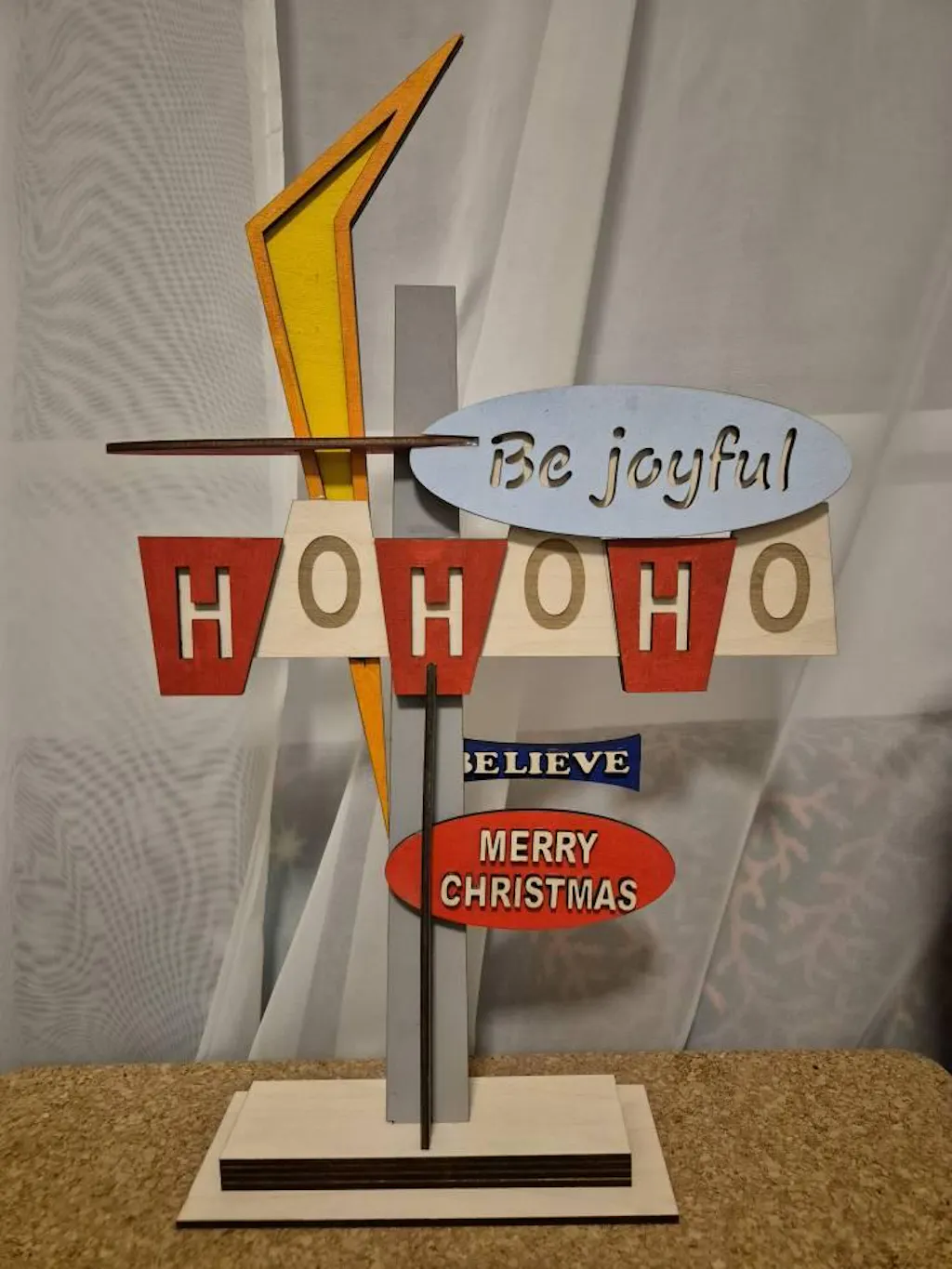
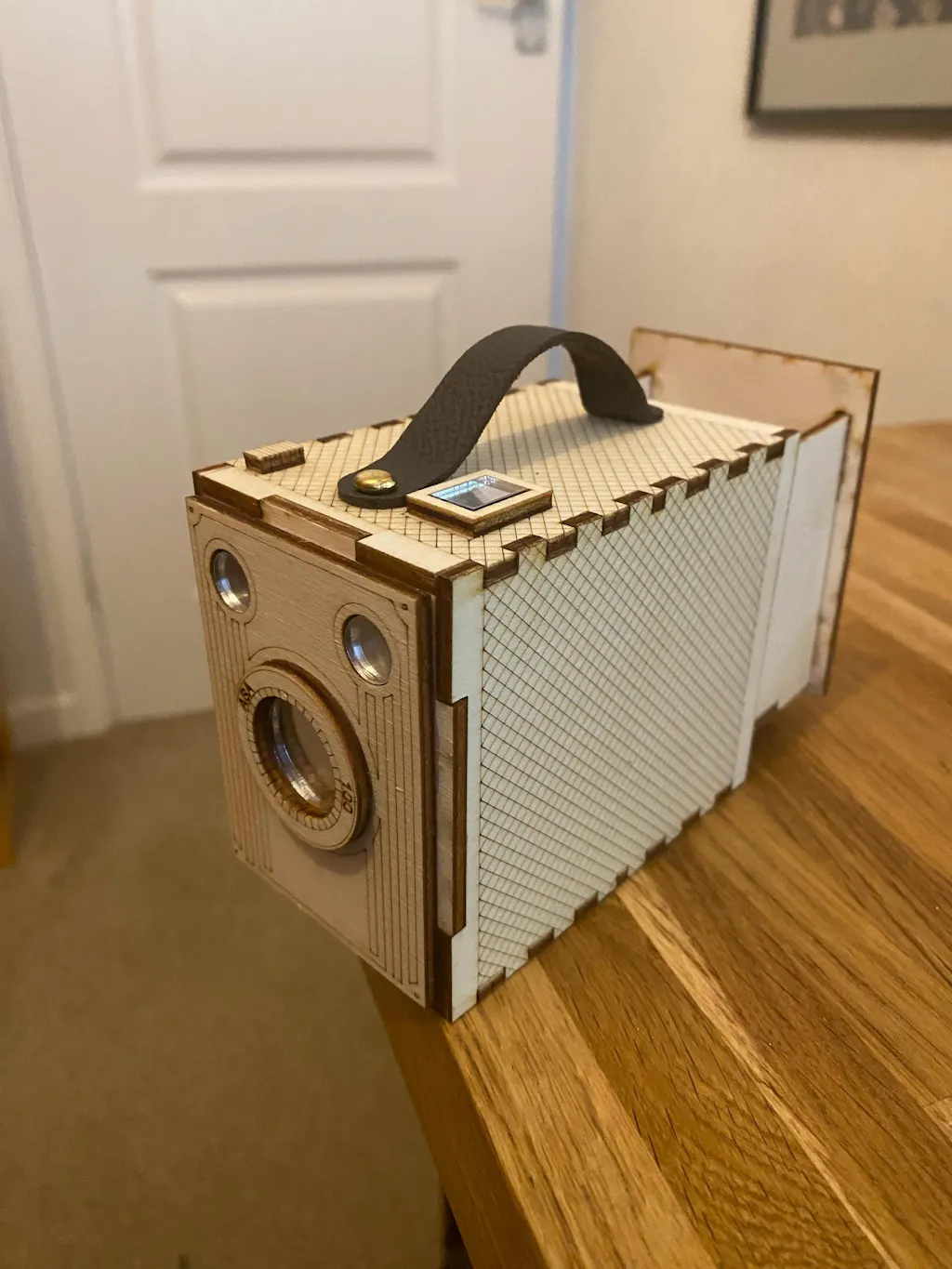
For decorative pieces, laser cutting allows a level of surface detail and fine pattern work that CNC routing or hand cutting can't produce economically. The fine lattice work, the engraved grain lines on a miniature shed, the intricate spokes on a retro scooter ornament, these are only possible because the cutting tool is a beam of light rather than a physical blade.
The material difference
Mass-produced wooden gifts are often made from low-grade MDF or chipboard with a wood veneer surface, which looks acceptable from a distance but feels hollow and lightweight in the hand and doesn't take paint or customisation well.
Curious Rabbit kits are made from sustainably sourced wood of a consistent grade. The material is chosen because it laser-cuts cleanly, holds its shape, and feels substantial rather than cheap. It also takes acrylic paint well for anyone who wants to customise their kit, which matters for a product designed to be personalised and kept rather than displayed and forgotten.
The design difference
Mass-produced wooden gifts are designed to look appealing in a product photo and on a shelf at a glance. They're not designed to be examined closely, built, or used repeatedly over time.
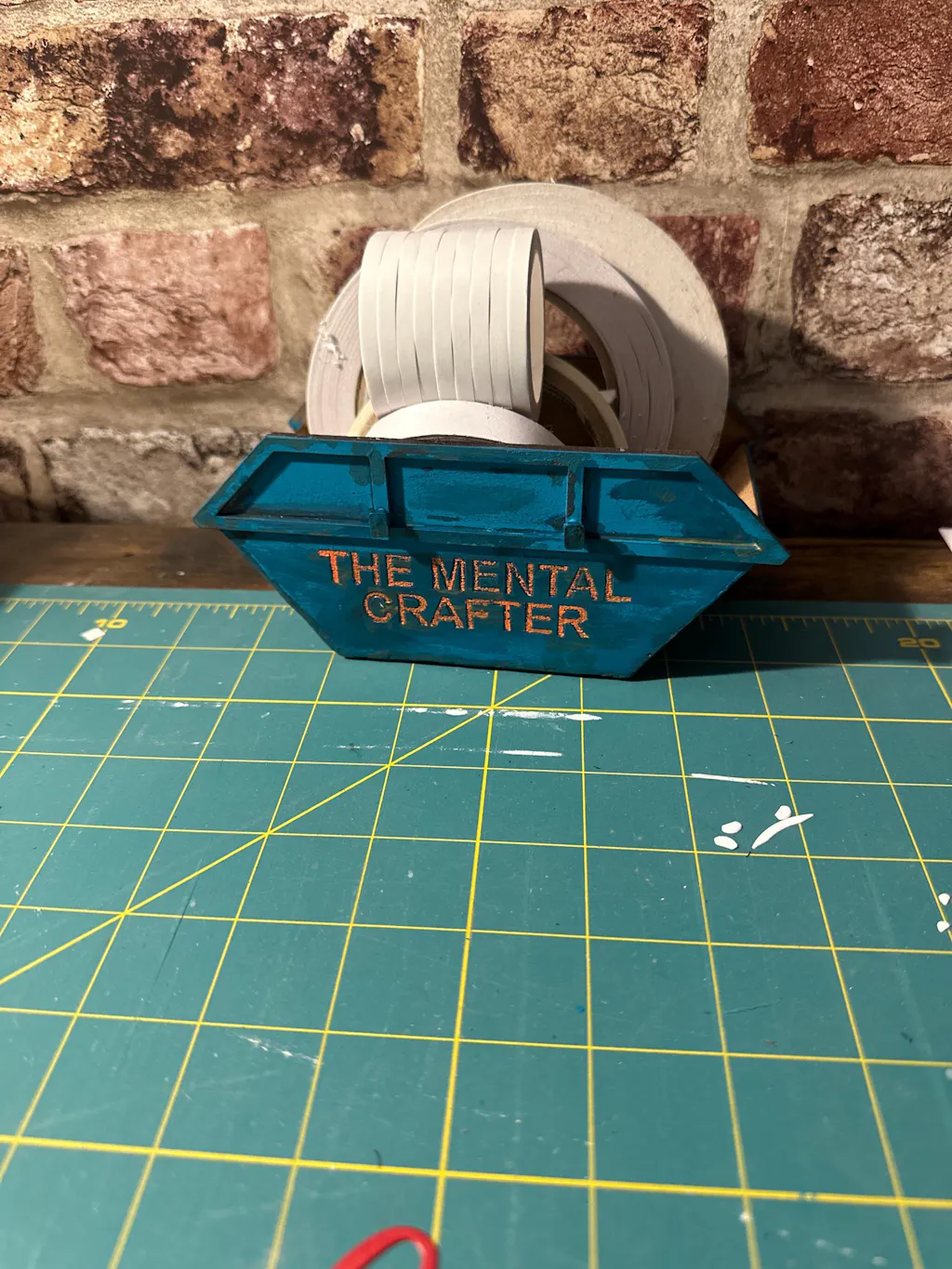
Curious Rabbit products are designed to work. The garden shed opens for storage. The seedbox holds seeds and can be carried to the allotment. The skip sits on a desk and holds pens. The dog treat box stores treats on the kitchen counter. Design that functions rather than just decorates is harder to achieve and more expensive to produce, but it's what makes an object earn its place rather than being tidied away.
The quality control difference
When something is made at scale in a factory, quality control is statistical rather than individual. A percentage of products will have defects, and that percentage is acceptable as long as it stays within tolerance. The product that arrives at your door may or may not be one of the good ones.
At Curious Rabbit, every kit is checked before it's sent out. The pieces are already removed from the sheet and inspected, which means any issues are caught before the kit reaches you rather than when you're mid-build. For a gift especially, that consistency matters. The person receiving it shouldn't need to manage a defect or contact customer service. It should just be right.
The provenance difference
A mass-produced wooden gift has no particular story. It was made somewhere, by someone, at some point, and it arrived in a warehouse before it arrived with you. That's not a criticism, it's just a fact, and for some gifts and some occasions it doesn't matter.
For the kind of gift where it does matter, knowing that something was made in a small workshop in Abergavenny, Wales, by people who care about what they're producing, is part of what you're giving. That provenance is real and verifiable, and it connects the object to a place and a set of values in a way that adds genuine meaning to the gift.
Is the price difference worth it?
Curious Rabbit products cost more than the equivalent from a large retailer. They cost less than you might expect given how they're made, but they cost more than the cheapest alternative. Whether that's worth it depends on what you're buying it for.
If you're buying a decorative piece to fill a space on a shelf and the specific object doesn't particularly matter, the cheapest option is probably fine. If you're buying a gift for someone you care about, something you want them to keep and use and remember where it came from, the difference in quality tends to justify itself immediately.
The reviews say this more directly than we can. Hundreds of five star reviews, the majority of which specifically mention quality, precision, and the fact that the product exceeded expectations. That's not a coincidence. It's what happens when things are made properly.
Curious Rabbit makes laser-cut wooden gifts and model kits, designed and made in Wales.