There's a reason people who make things tend to seem calmer than people who don't. Working with your hands, really working with them, on something that requires attention and produces a result, is one of the most effective ways to switch off a busy mind. It's not a new idea, but it's one that's getting more attention as the evidence for it builds. Here's what we know, and some practical ways to get started if you haven't already.
Why making things works
The psychological case for making things with your hands is well established. When you're focused on a physical task, fitting pieces together, painting a surface, carving a shape, your brain shifts into a different mode. The part of the brain responsible for rumination, self-referential thinking, and anxiety quietens down. The task-positive network takes over. You're present, focused, and not thinking about whatever was bothering you before you sat down.
This is sometimes described as a flow state, the experience of being so absorbed in something that time passes differently and self-consciousness recedes. Making things is one of the most reliable routes into flow for most people, because the tasks are concrete, the feedback is immediate (the piece either fits or it doesn't, the colour looks right or it doesn't), and the outcome is something tangible that didn't exist before you started.
What the research says
Studies on craft-based activities consistently show benefits across a range of wellbeing measures. Research published in the British Journal of Occupational Therapy found that repetitive craft activity was associated with reduced anxiety, improved mood, and increased feelings of calm and happiness among regular practitioners. Similar findings have been reported for woodworking, ceramics, embroidery, and other making activities.
The mechanisms proposed include the meditative quality of repetitive focused activity, the sense of competence and agency that comes from making something successfully, and the tangible result that provides a lasting reminder of the effort invested. Unlike scrolling through a phone or watching television, making something produces an object that persists after the activity ends.
Making things vs other mindfulness practices
Formal mindfulness meditation is well evidenced and genuinely useful for many people. But it also has a reasonably high barrier to entry. Sitting quietly and focusing on breathing is harder than it sounds for people whose minds are particularly busy, and many people find it frustrating before they find it helpful.
Making things offers a different route to many of the same outcomes. The focus required by a physical task acts as an anchor for attention in the same way that breath does in meditation, but with the added structure of a concrete goal and the motivation of a visible result. For people who find formal meditation difficult, a making hobby is often a more accessible and equally effective alternative.
Wooden flatpack model kits
A flatpack model kit is one of the most accessible making hobbies there is. No prior experience required, no specialist tools, and most kits are completable in a single sitting. The process of fitting pieces together, gluing joints, and sanding to refine is absorbing without being stressful, the result is something you're genuinely pleased with, and the variety of subjects means there's almost always a kit that connects to something you already care about.
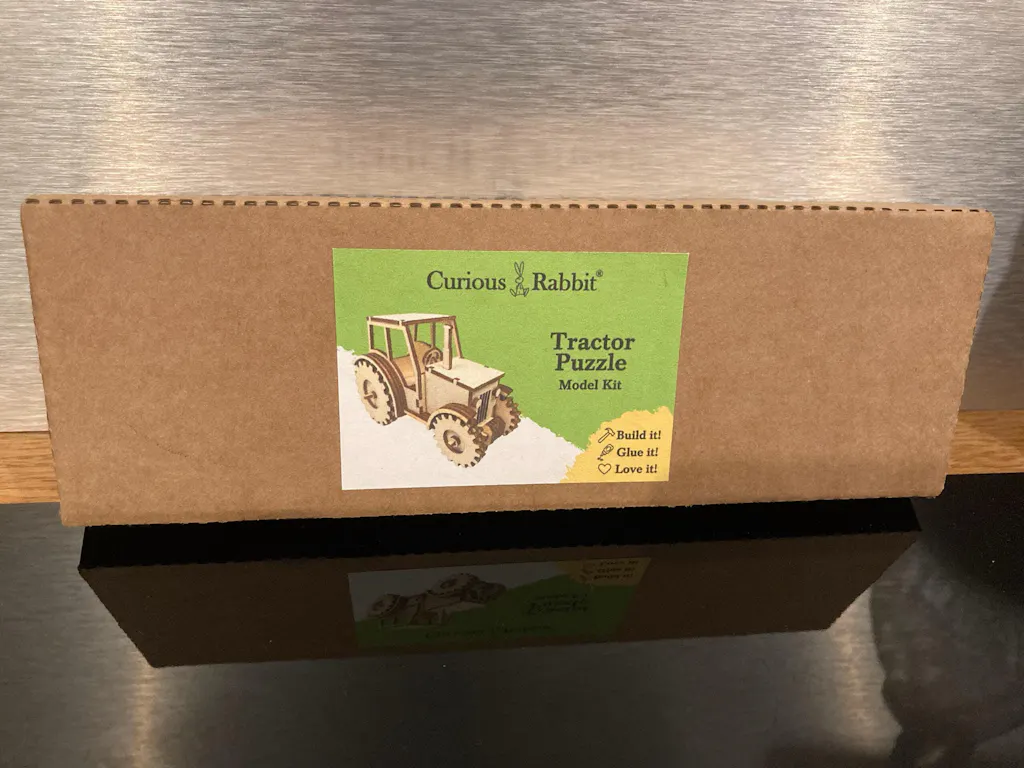
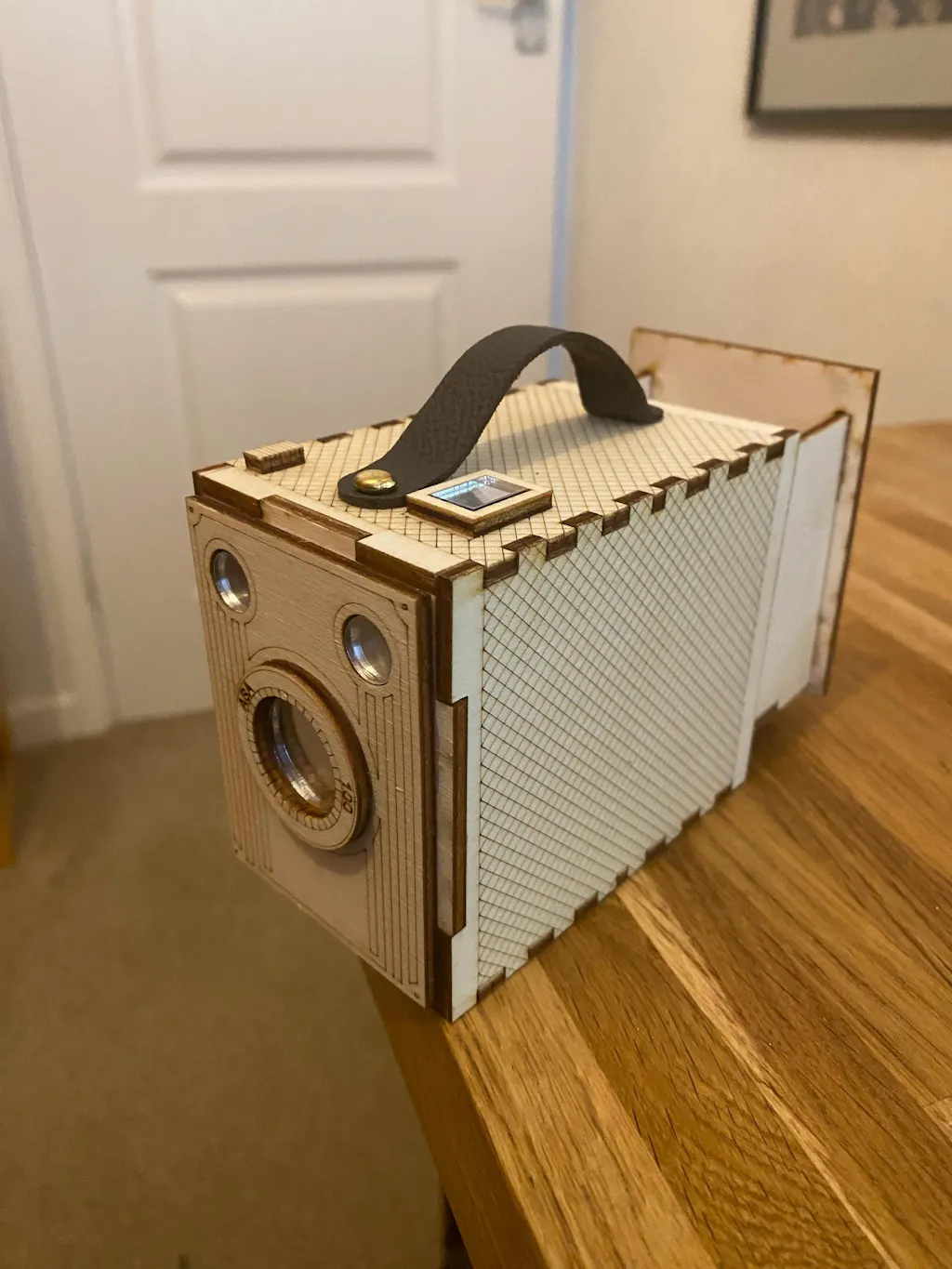
The Curious Rabbit range of laser-cut wooden kits covers everything from a garden shed and retro scooter ornament to a railway signal box, beach hut, Brownie Camera, and dog treat box. All are made in Wales, all come with sandpaper for refining as part of the process, and all are designed to be built at home with no prior experience needed. Browse the range at curiousrabbit.com.
Embroidery and hand stitching
Hand embroidery has seen a significant revival over the past decade, and the reason is straightforward. It's repetitive, portable, inexpensive to start, and produces something beautiful over time. The rhythm of stitching is genuinely meditative once you're into it, and the slow accumulation of a design over several sessions has its own particular satisfaction. Beginner embroidery kits on Etsy are a good way to start without needing to source materials separately.
Pottery and ceramics
Working with clay is one of the most tactile and grounding of all making activities. The material demands your full physical attention in a way that most crafts don't, and the process of shaping something from a shapeless lump has a particular psychological quality that other crafts don't replicate. Many towns and cities have evening pottery classes that provide all the equipment and instruction needed to get started. Class Bento is a reliable starting point for finding local options across the UK.
Woodworking
Traditional hand tool woodworking, using chisels, planes, and saws rather than power tools, is a slower and more deliberate practice than most people expect. It rewards patience and attention in a way that maps directly onto mindfulness principles, and the results, a box, a shelf, a simple piece of furniture, have a permanence and utility that most craft outputs don't. YouTube has an excellent range of beginner tutorials for anyone who wants to explore it.
Lino printing
Lino cutting and printing combines the meditative quality of repetitive carving with the satisfaction of a reproducible result. A simple design carved into a small block of lino and printed onto paper or fabric is achievable in a single evening and produces something genuinely impressive for the effort involved. Jacksons Art is a reliable UK source for materials.
Journalling and hand lettering
For people who are drawn to words rather than objects, dedicated journalling or hand lettering practice offers many of the same benefits as more physically demanding crafts. The combination of slow, deliberate writing and focused attention on the page produces a quieting effect that's hard to replicate by typing. A good notebook, a favourite pen, and no particular agenda is all you need to start.
Getting started without overcomplicating it
The most common mistake people make when starting a new making hobby is buying too much equipment before they know whether they'll enjoy it. A basic watercolour set is enough to start painting. A single embroidery hoop and some thread is enough to start stitching. A single Curious Rabbit kit is enough to find out whether building wooden models is for you.
Start small, see whether the activity produces the focused, absorbed quality that makes making things valuable, and invest further only if it does. Most making hobbies reveal themselves quickly. Either the activity absorbs you or it doesn't, and there's no way to know without trying.
The simplest possible starting point
If you've never made anything with your hands as an adult and aren't sure where to start, a wooden flatpack model kit is probably the lowest-friction entry point available. It requires nothing except the kit itself, produces a finished result in an evening, and gives you a clear sense of whether making things is for you. The Curious Rabbit range starts from under £10 and covers enough different subjects that there's almost certainly something in it that connects to an interest you already have. Browse at curiousrabbit.com.
Curious Rabbit makes laser-cut wooden flatpack kits and gifts, designed and made in Wales.